Learn Modernist Spanish Cuisine in Barcelona

Where the elBulli cooks actually landed. Disfrutar, opened by three chefs out of that kitchen, was named the world's best restaurant in 2024, and the diaspora around it makes this the densest scene the cuisine has — denser than the city we would actually send you to learn it in.

Strong living community

Barcelona, Spain

Stand in the scene the elBulli cooks scattered into, and learn the technique at a bench in it.

●●●●● Legendary living community · Season: Year-round · Enthusiast -> Professional

Where the elBulli cooks actually landed. Disfrutar, opened by three chefs out of that kitchen, was named the world's best restaurant in 2024, and the diaspora around it makes this the densest scene the cuisine has — denser than the city we would actually send you to learn it in.

Living sceneMeccaNamed mastersVerified schools

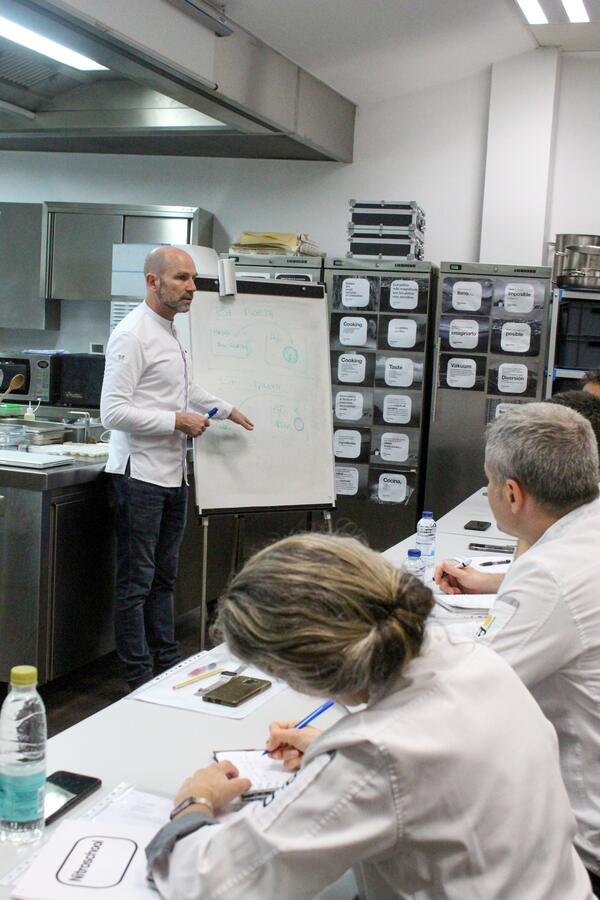
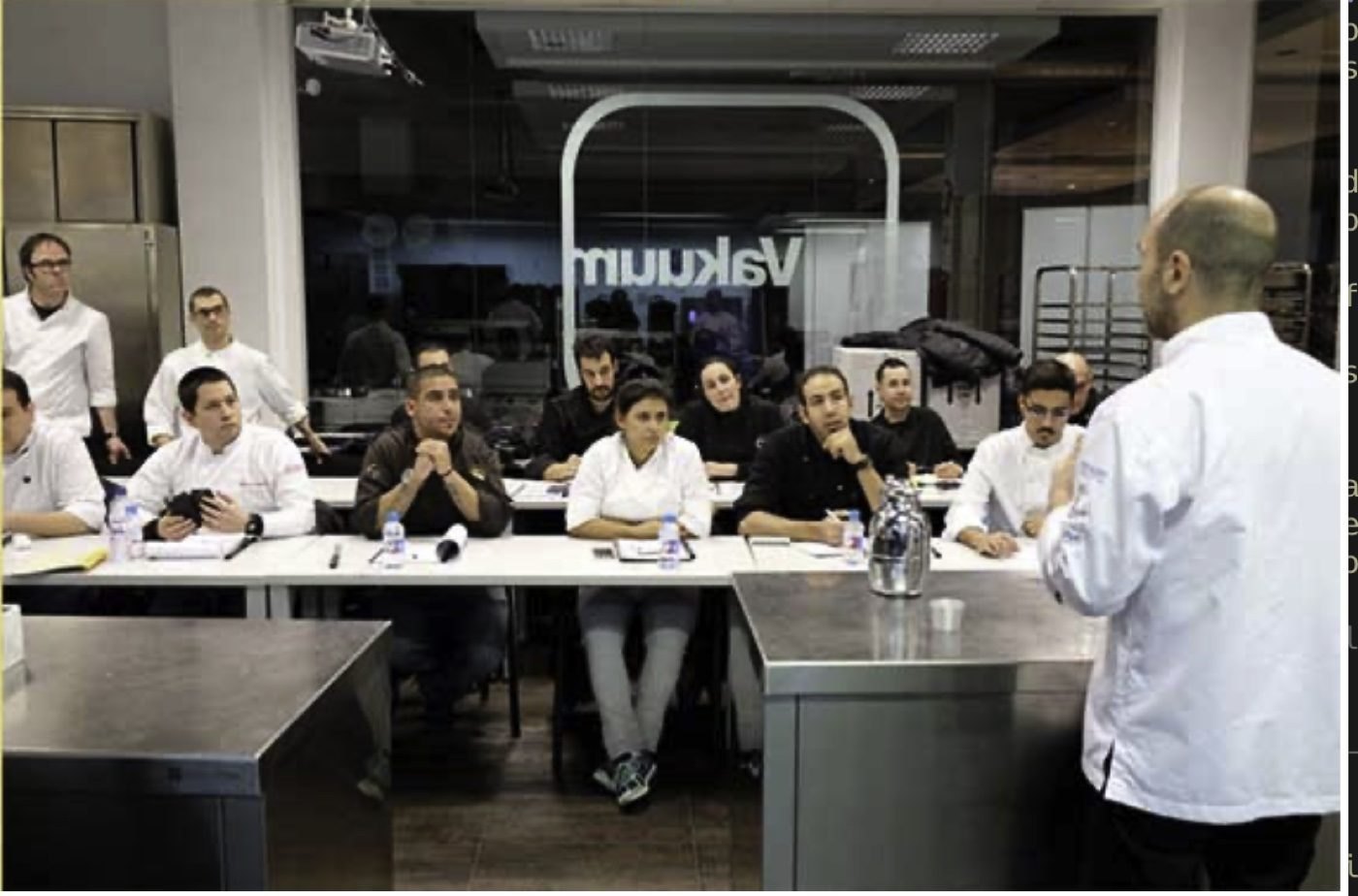
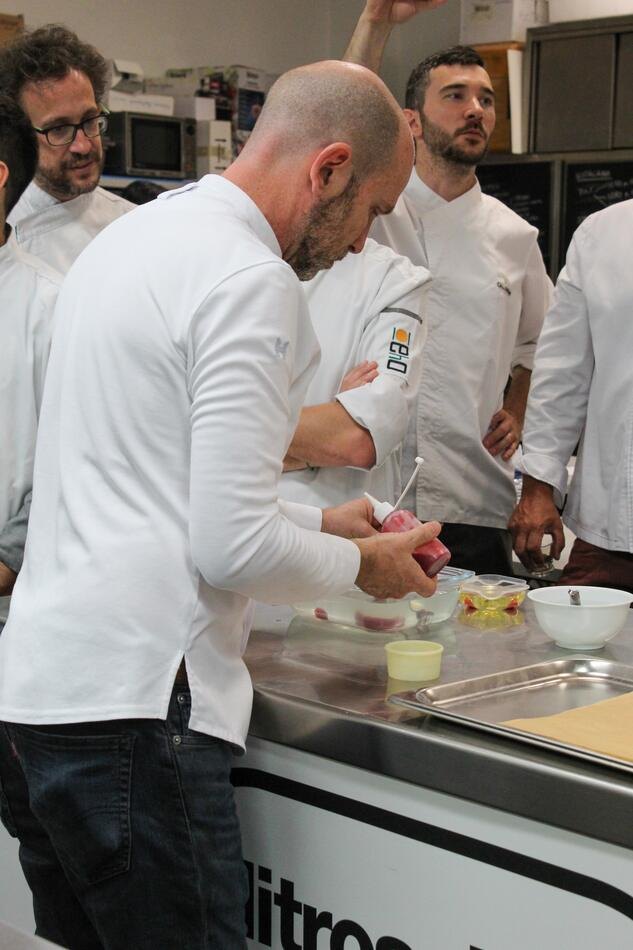
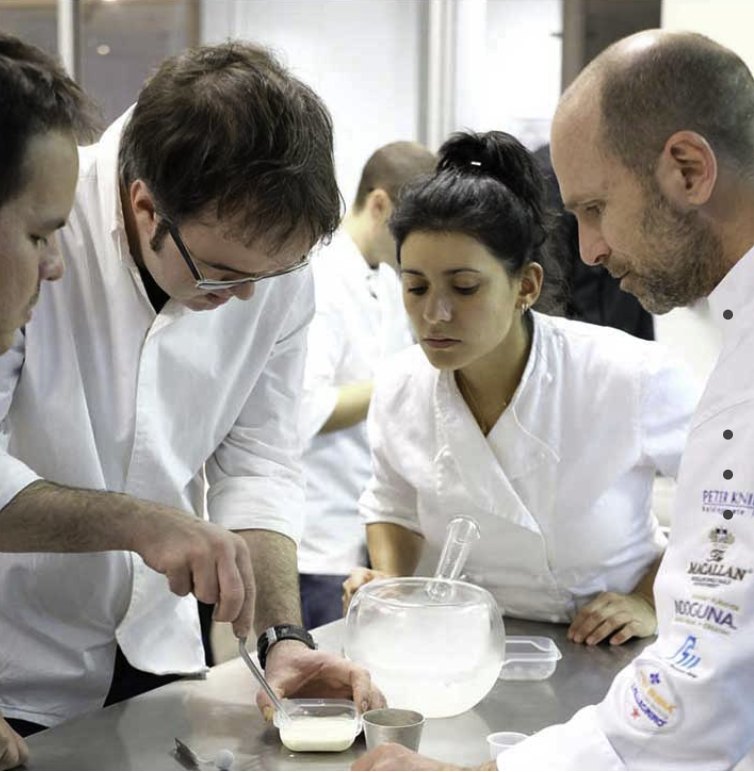
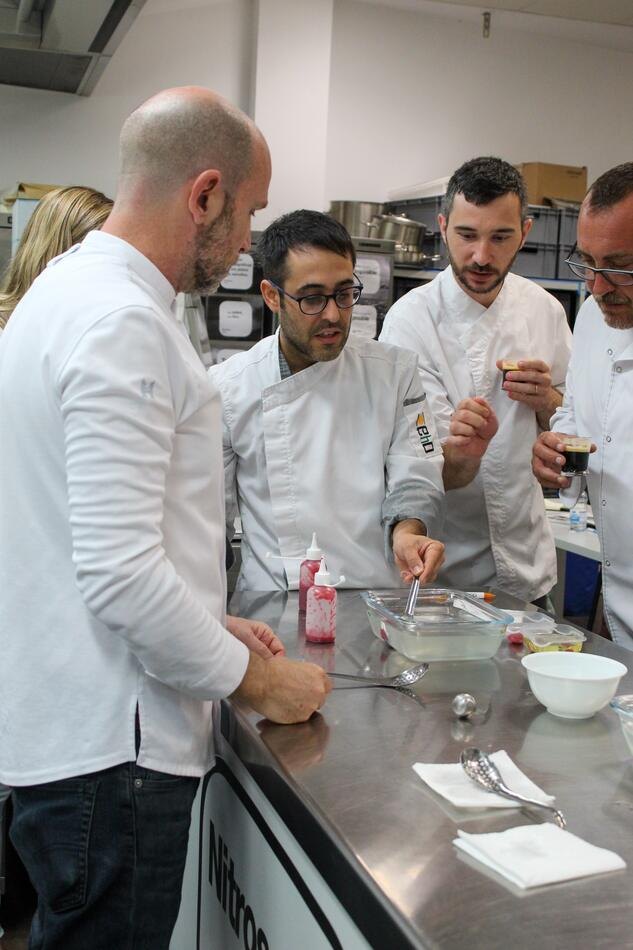
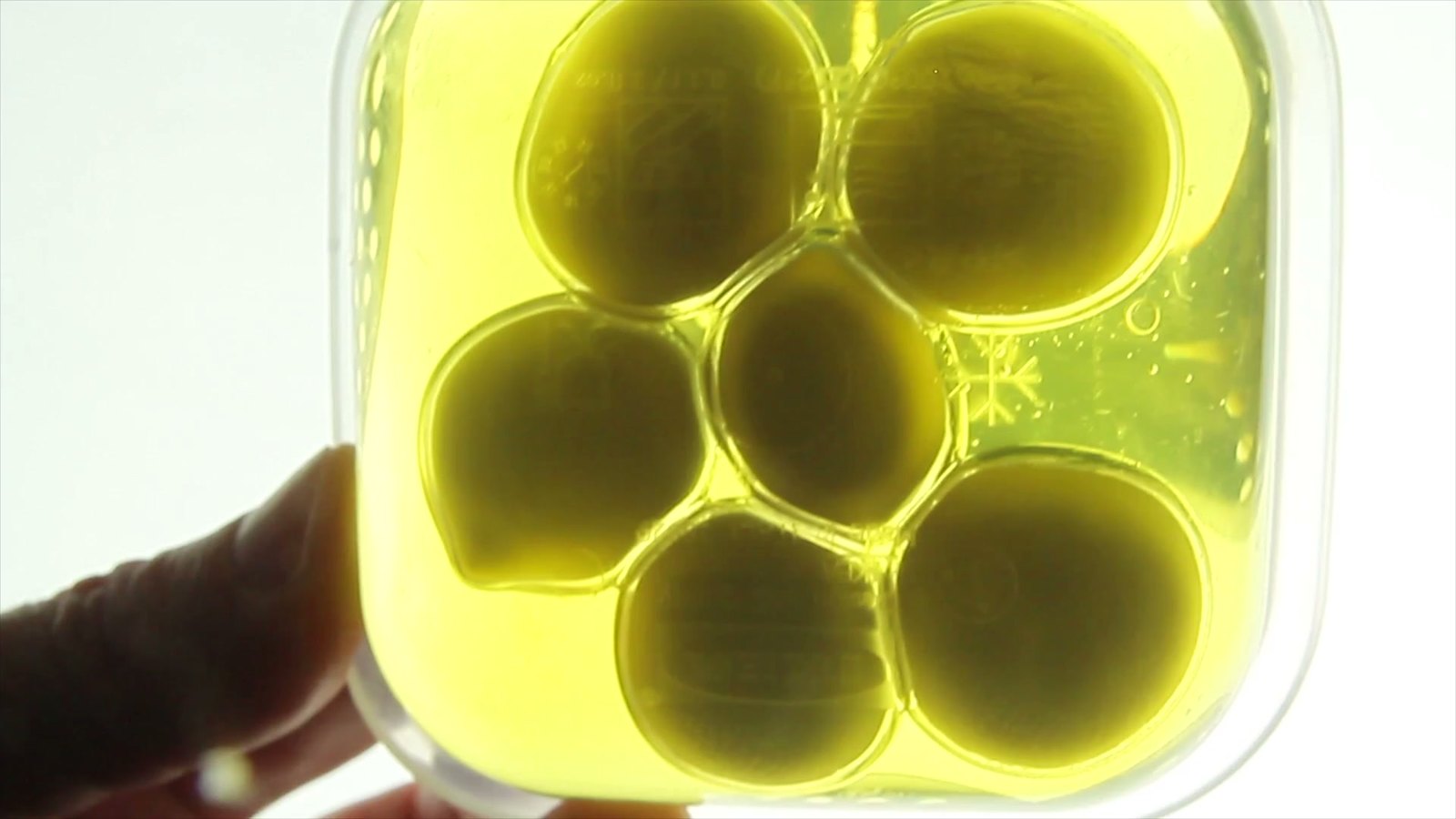
What you can realistically reach: A booked course puts the technique in your hands and shows you what each tool is actually for — spherification, foams, sous-vide, hydrocolloids. The stage is the other road, and it is a real one: months on the line in a kitchen of this lineage, applied for with a CV, paid anywhere from nothing to a small stipend, and nobody can promise you one. Both are real ways in. Only one of them is a door you can book.

Where we stand with them

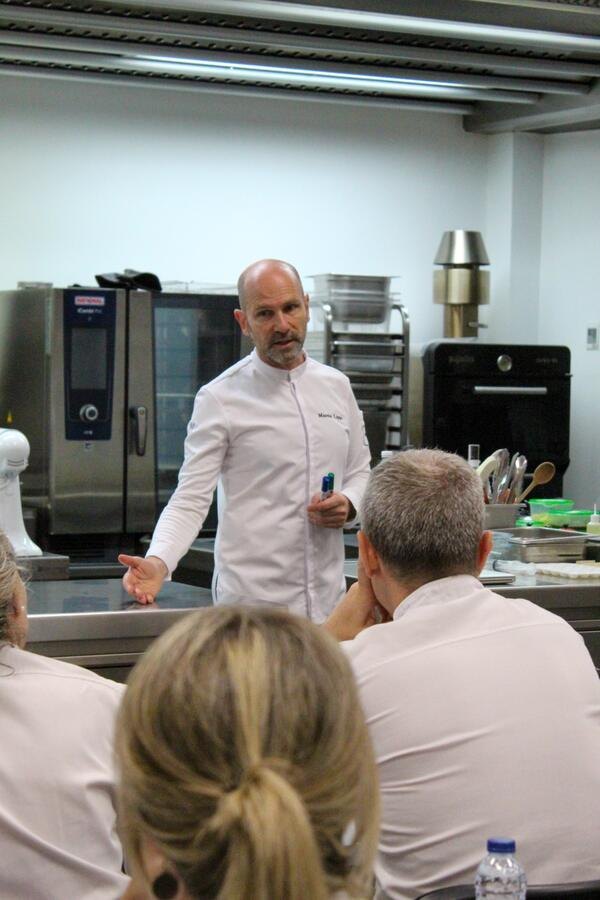
EducatedTraveler runs a paid week with Martin Lippo, so we are not a neutral party about him. Nobody pays to be on this map and no money reaches us from him. The way in without us is his own site, martinlippo.com, and here is the whole range so you can judge it: single online modules EUR 80-95, the full foams pack EUR 386, and a 44-hour streaming master at EUR 1,880 — more than our week costs, and sold out at the time of writing. His classroom courses run in Spanish and carry no published price; English or French is a private course quoted by email. Checked on martinlippo.com, 1 September 2026. If a direct route suits you better, take it.

The lineage

Masters & lineage

Where it is taught — hand-verified

Schools in Barcelona

Checked by hand against each school's own course pages. No school paid to be listed.

What you walk away with

The credential

A course certificate from a school you can book — or the long way round, a completed stage in a kitchen of this lineage. · Certifying body: No formal body. A school certifies its own course; a stage certifies nothing but the name on the door.

A recognised qualification an outside body stands behind is not the same as a certificate a school prints itself. We name which it is — you should ask the school the same.

Write me a note about this one — how you'd love to learn it, and where. It comes to my own inbox and I read every one myself.

If this box never loads, the same note reaches me at arnaudcallier@pm.me.

Same discipline, other sources

Also for Modernist Spanish Cuisine

Madrid, Spain
●●●●○ Thriving
Girona, Spain
●●●●○ Thriving
San Sebastián (Donostia), Spain
●●●●○ Thriving
Why you can trust this map

How a place gets on here, and what we do when it stops being true

There is a real difference between a school that teaches you and a good-looking website, and too much of the internet is the second kind. Four instruments do the work, and every one of them is visible on the page you are already on.

  • We grade it in public, and publish what is missing. The Measure is five named conditions, not a score: the room, the door, the bench, the ground, the stretch. An empty dot tells you which one is missing and why. A craft nobody has graded shows no meter at all, because an absence is not a zero.
  • We print what we checked and did NOT list. Every swept craft carries the places we looked at and turned down, each with its reason. That list is the part no marketplace prints, because a rejection is where the money is.
  • The claims are read back to their sources every night. A robot re-reads every price, course name and link we publish against the school's own page. When one stops matching three nights running, it is flagged for a human — and an entry that cannot be confirmed comes off. It is never softened.
  • Where we are not neutral, we say so above the recommendation. We run one paid week a year, with one teacher. His entry says that before it says anything good about him, and prints the way to reach him without us, at his prices.
  • Nothing here has been stood in yet. An open sheet means desk research, carefully done. No place on this map has been visited and dated by us. When one is, the check will carry a name and a date — and until then, the grade says so in the dots it leaves empty.
  • Nobody pays to be here, and nobody can pay to be left off. No commission, no listing fee, no tourist board. The order is the strength of the community, never the size of the wallet.
Before you trust any school — mine or anyone else's — ask these five things
  1. Who actually teaches it? Can you find them by name, with a track record you can check yourself?
  2. Is the craft alive in that place, or is the school the only thing there? A real scene has more than one good option.
  3. What exactly do you walk away with — a recognised qualification, or a certificate they printed themselves? Ask which.
  4. Can you speak to someone who did the course? A real person, not a testimonial on their own page.
  5. What happens on a bad day — weather, an injury, a teacher who doesn't show? A serious place has an honest answer.

If a place dodges these, that's your answer. It costs you nothing to ask, and it tells you everything.

This is the short version. The full method is here — the six questions, in order, for any craft anywhere.